If you own an acreage or a rural home, there’s a good chance your wastewater goes to a septic system rather than a municipal sewer. When it works well, you never think about it. When it fails, the cost and the mess can be significant. The good news is that septic systems are forgiving when they get basic care, and most failures are preventable. A few habits, a regular pumping schedule, and an understanding of what your system can handle will keep it working for decades. Here’s how to care for yours.
How a Septic System Works and What It Needs
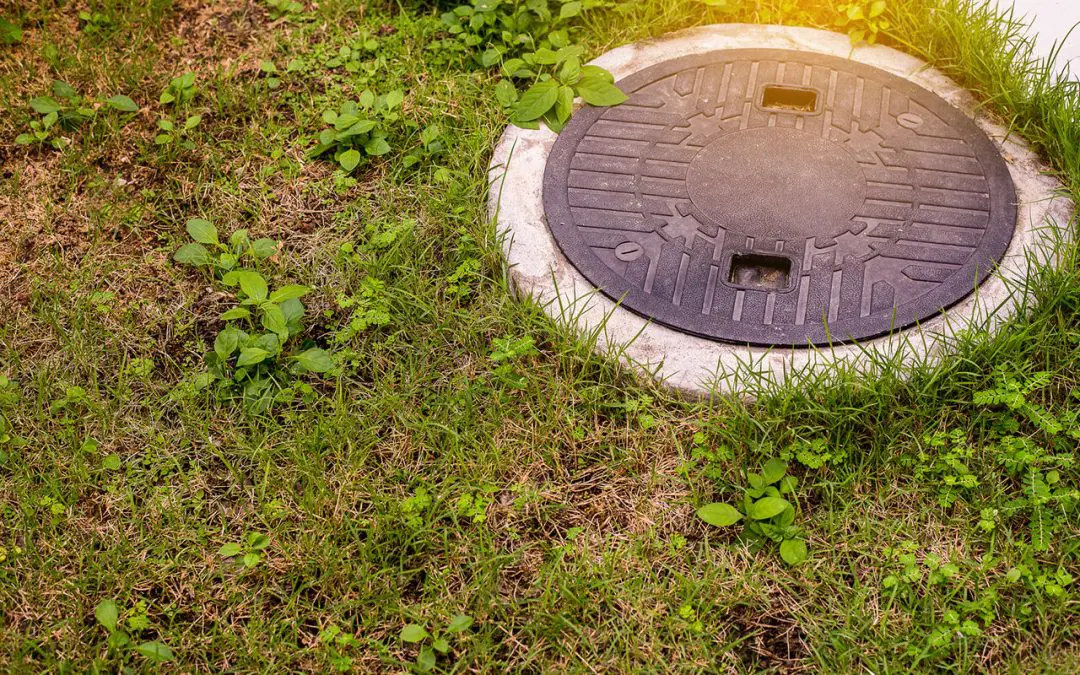
Wastewater flows from the house into a buried tank, where solids settle to the bottom and grease and light materials float to the top. The liquid in the middle moves out to a drain field, where the soil filters and treats it. Bacteria in the tank break down much of the waste, so protecting that balance matters. The most important maintenance task is pumping the tank regularly, typically every three to five years depending on tank size and household use. Know where your tank and drain field are, keep the lids accessible, and keep records of every pumping and repair so you can track the system’s history. A professional inspection every few years can spot cracked baffles, failing pumps, or a nearly full tank before they cause damage.
Be Careful What Goes Down the Drain
Think of your septic system as a living ecosystem. Only wastewater and toilet paper should go down the toilet. Wipes, even those labeled flushable, feminine products, dental floss, cotton swabs, and paper towels don’t break down and can clog the tank or the outlet. Keep grease, coffee grounds, and food scraps out of the drain, and use a garbage disposal sparingly, since it adds solids. Harsh chemicals such as bleach, drain cleaners, and some antibacterial products in large amounts can harm the bacteria that do the work, so choose septic-safe cleaners and use them in moderation. If you have a water softener, ask a septic professional whether its discharge is safe for your system.
Protect the Septic System Drain Field
The drain field is the most expensive part of your septic system to replace, so protect it. Don’t drive or park on it, since heavy loads compact the soil and can crush pipes. Keep trees and large shrubs away, because their roots seek out moisture and can clog lines, and keep a grass cover in place to prevent erosion. Direct roof drains and sump pump discharge away from the field so it doesn’t become saturated. In winter, snow acts as insulation, so leave it in place and avoid compacting it with vehicles or snowmobiles over the drain field. Mark the field’s boundaries with small flags so visitors, contractors, and snow removal crews know to stay off.
Spread Out Water Use and Watch for Warning Signs
Water volume is the biggest stress on a septic system, because too much at once can flood the drain field. Fix leaking toilets and taps promptly, install low-flow fixtures, and spread laundry across the week instead of washing several loads in one day. Space out guests and large gatherings when you can, since a houseful of visitors can double normal water use over a weekend. Avoid draining a hot tub or pool into the system. Watch for slow drains, gurgling pipes, sewage odors, wet or unusually lush green patches over the drain field, and backups in the lowest drains. If you notice any of these, call a septic professional promptly, since early repairs are far cheaper than a failed field.
Frequently Asked Questions (FAQs)
How often should I pump my septic tank?
Typically every three to five years. Larger households, small tanks, and garbage disposal use mean more frequent pumping, so ask a local professional to recommend a schedule based on your tank size and usage.
Can I use a garbage disposal?
You can, but it adds solids and means more frequent pumping. Composting food scraps is easier on the system and reduces the load on the tank.
Do I need septic additives?
Usually not. A healthy system has the bacteria it needs, and some additives can disturb the balance or push solids into the drain field. Regular pumping does more good than any additive.
What should I do before buying a home with a septic system?
Ask for pumping and repair records, and have the tank, pumps, and drain field evaluated by a qualified professional. A sewer scope can also reveal problems with the lines that connect the house to the tank.
What are the signs of septic failure?
Slow drains, gurgling pipes, sewage odors, backups, and wet or unusually green areas over the field. If you notice any of these, call a professional promptly to limit damage and cost.
Border Home and Property Inspections provides home inspection services to the midwest region of Alberta and Saskatchewan. Contact us to schedule an inspection.