
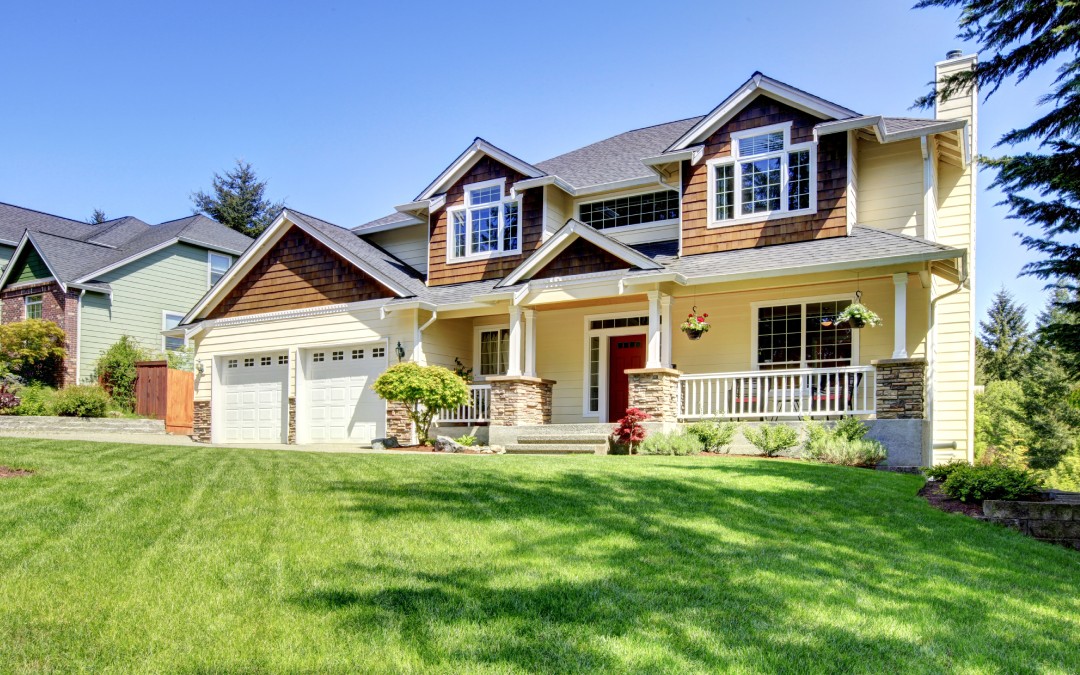
A well-planned landscape design transforms an ordinary yard into a welcoming outdoor retreat. Whether the goal is improving curb appeal, creating a relaxing backyard oasis, or increasing property value, thoughtful planning plays a crucial role. Many homeowners assume landscaping simply means planting flowers or adding a few shrubs, but effective landscape design considers layout, functionality, balance, and long-term maintenance. A great outdoor space should feel like a natural extension of the home. It should complement the architecture, suit the climate, and reflect the lifestyle of the people who live there. With the right approach, even small improvements can dramatically elevate the look and feel of a property.
Start Landscape Design with a Clear Plan
Before purchasing plants or installing features, take time to create a simple plan. One of the biggest mistakes homeowners make is starting landscaping projects without thinking about how everything will work together. Start by observing the yard. Notice areas that receive full sun, partial shade, or constant shade throughout the day. Pay attention to drainage patterns and how water moves after rain. These factors influence plant choices and placement. Next, think about how the space will be used. Some homeowners want an area for entertaining guests, while others prefer a quiet garden retreat or a safe play area for children. Designing the landscape around lifestyle needs ensures the yard remains both attractive and practical. Sketching a basic layout will help visualize pathways, planting areas, patios, or seating zones before any work begins.
Balance Hardscape and Softscape Elements
Successful landscape design combines two key elements: hardscape and softscape. Hardscape refers to non-living features such as patios, walkways, retaining walls, and decks. Softscape includes plants, grass, flowers, and trees. The key is creating balance between these elements. Too much hardscape can make a yard feel cold and uninviting, while too many plants may appear messy or overwhelming. Paths made from stone or brick guide movement through the yard while also adding structure. Raised garden beds or decorative borders can organize planting areas. Meanwhile, carefully placed shrubs and flowers soften the overall appearance and add natural beauty. When these elements work together harmoniously, the entire outdoor space feels intentional and well-designed.
Choose Plants That Support Landscape Design
Plant selection is one of the most important aspects of landscape design. Choosing the right plants not only enhances visual appeal but also reduces maintenance and ensures long-term success. Native plants are often a great choice because they are already adapted to local soil and climate conditions. They typically require less watering, fewer fertilizers, and minimal pest control. Layering plants also creates depth and visual interest. Taller trees and shrubs form the backdrop, medium-sized plants fill the middle ground, and smaller flowers or groundcovers provide detail in the foreground. Seasonal variation is another factor worth considering. A landscape that includes plants blooming in different seasons will remain vibrant and attractive throughout the year.
Create Focal Points With Your Landscape Design
Every well-designed yard benefits from a focal point. In landscape design, a focal point draws attention and provides visual structure. A focal point could be a decorative tree, a small fountain, a sculpture, or a cozy seating area. Even a striking flower bed or a beautifully designed pathway can serve this purpose. Position focal points where the eye naturally travels, such as at the end of a path or in the center of a garden area. This technique creates a sense of intention and helps guide visitors through the space. Without a focal point, a yard may feel scattered or unfinished. With one, the entire design feels more cohesive.
Plan for Maintenance and Long-Term Growth
One of the smartest landscape design tips is to think about maintenance before installing anything. Some landscapes look beautiful initially, but quickly become overwhelming to maintain. Consider how much time and effort can realistically be devoted to yard care. Selecting low-maintenance plants, installing efficient irrigation systems, and using mulch to reduce weeds will make upkeep much easier. Also, remember that plants grow over time. A small shrub today might become quite large in a few years. Leaving enough space between plants prevents overcrowding and keeps the landscape looking organized as it matures. Planning for growth ensures the yard remains beautiful for years rather than becoming a constant renovation project.
Use Lighting to Enhance Landscape Design
Outdoor lighting is often overlooked, yet it can dramatically enhance landscape design. Proper lighting highlights key features and improves safety around pathways, steps, and entrances. Soft lighting placed along walkways creates an inviting atmosphere while making nighttime navigation easier. Accent lights can highlight trees, architectural features, or garden beds. In addition to aesthetics, lighting extends the usability of outdoor spaces. Patios and seating areas become enjoyable in the evening, allowing homeowners to make the most of their landscape long after the sun sets.
Frequently Asked Questions (FAQs)
What is landscape design?
Landscape design is the process of planning and arranging outdoor spaces to make them functional, attractive, and harmonious with the surrounding environment. It includes plant selection, layout planning, hardscape features, and overall visual balance.
How do I start designing my yard?
Begin by assessing your space, noting sunlight patterns, soil conditions, and drainage. Then decide how the yard will be used and sketch a basic layout before purchasing plants or materials.
What are the key elements of landscape design?
The main elements include layout, plant selection, hardscape features, focal points, lighting, and maintenance planning.
Should homeowners hire a professional landscape designer?
Many homeowners can handle smaller landscaping projects themselves. However, larger or more complex projects may benefit from the expertise of a professional designer.
Border Home and Property Inspections provides home inspection services to the midwest region of Alberta and Saskatchewan. Contact us to schedule an inspection.