
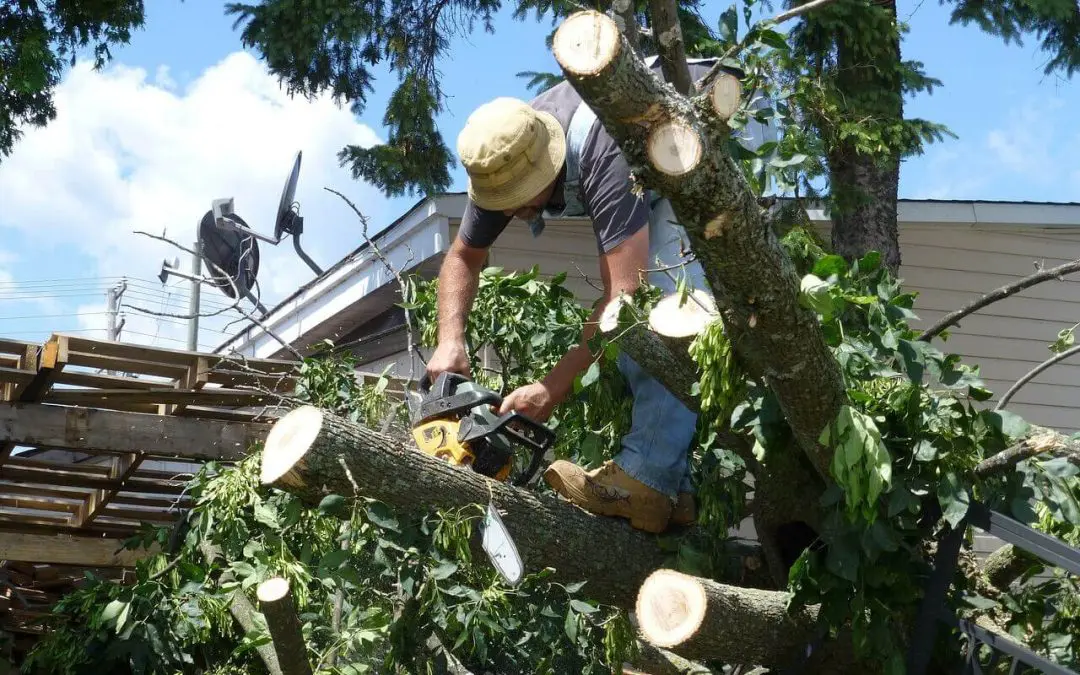
Deciding whether to remove a tree is one of the more emotionally charged property decisions a homeowner faces. Trees have presence, shade, and history, and removing one feels permanent. But the decision to remove a tree is really about risk, property safety, and whether a tree in declining health or a dangerous position still belongs where it is. Understanding the specific signs that indicate it’s time to remove and which conditions can still be managed by an arborist is what allows homeowners to make that decision from an informed position.
The Warning Signs That It’s Time to Remove a Tree
Trees communicate their condition through observable signals that homeowners can learn to recognize without professional training. Some are urgent and indicate immediate risk; others are gradual indicators of decline that warrant monitoring and professional assessment. Structural failure is the most urgent indicator. Visible cracks or splits in the main trunk, a significant lean that has developed recently, and major scaffold limbs that are hanging, cracked, or visibly detached all indicate the tree may fail without warning. A tree leaning because its root system has begun to lift is one of the clearest signals that removal is the appropriate response. Dead wood distributed throughout the crown is another critical indicator. A tree that has lost more than 50 percent of its canopy to dead branches is unlikely to recover meaningfully.
Root and Base Conditions That Indicate It’s Time to Remove a Tree
The base and root zone are where some of the most significant structural problems are visible, and most frequently overlooked because homeowners focus on what’s above ground. Fungal growth at the base of the trunk, such as shelf fungus, mushrooms, or conk formations growing from the root flare or lower trunk, reliably indicates internal decay. These fungi consume the wood they colonize, and their visible presence means significant decay has already occurred. A tree with substantial fungal growth at the base may appear healthy in its upper canopy while being structurally hollow at the critical point where trunk meets root. This warrants immediate professional assessment and frequently indicates the need to remove a tree before it fails. Cavities in the trunk compromise structural integrity in ways not always visible from a distance. An arborist can assess whether the remaining wood wall is adequate to support the tree’s weight or whether the cavity represents a failure risk that warrants removal.
When to Prune or Treat the Tree
Not every tree showing distress needs to be removed, and distinguishing between conditions that warrant removal and those that can be managed is where professional arborist assessment adds the most value. Diseased trees that have lost significant canopy but retain structural integrity and show new growth in remaining branches may be candidates for treatment and monitoring rather than immediate removal. Trees with dead wood concentrated in outer branches rather than the primary scaffold are often addressed through crown cleaning, removing the dead material, which restores safety without removing the tree. Trees that are too close to the foundation, competing with utility lines, or blocking sightlines are candidates for removal on practical grounds. In these cases, the decision is clear: the tree isn’t failing, but its location makes continued presence incompatible with the property’s safety or function.
The standard professional recommendation is to consult an ISA-certified arborist before deciding to remove a tree of any significant size. An arborist will assess condition, recommend treatment alternatives where they exist, and provide the documentation that insurers sometimes require when a tree is removed proactively.
Frequently Asked Questions (FAQs)
How do I know if a tree is dead or just dormant?
The scratch test is the most reliable assessment: scratch a small section of bark from a twig with a fingernail or knife. Living wood beneath is green and moist; dead wood is brown and dry. Buds that are plump in early spring indicate a dormant but living tree; shriveled or absent buds indicate a dead branch. When in doubt, a certified arborist can assess definitively whether to remove a tree or wait and monitor.
Does homeowner’s insurance cover tree removal?
If a tree falls and damages a covered structure, most policies cover removal and structure damage up to policy limits. Removing a living tree proactively is generally not covered unless the insurer specifically endorses hazardous tree removal. A certified arborist’s written assessment documenting the hazard could support a claim in borderline cases.
Is it safe to remove a tree myself?
Small, isolated trees in open areas away from structures and utilities are within DIY capability with appropriate equipment. Any tree near a structure, utility line, or fence should be handled by a certified professional. Most fatalities in residential tree removal occur when homeowners underestimate the forces involved.
What should I plant after I remove a tree?
Select a species appropriate for your climate and soil, in a location with adequate space for its mature size. A local nursery or extension service can recommend region-appropriate species. Give the new tree the best start with proper planting depth, adequate water in the first two years, and minimal staking.
Border Home and Property Inspections provides home inspection services to the midwest region of Alberta and Saskatchewan. Contact us to schedule an inspection.