
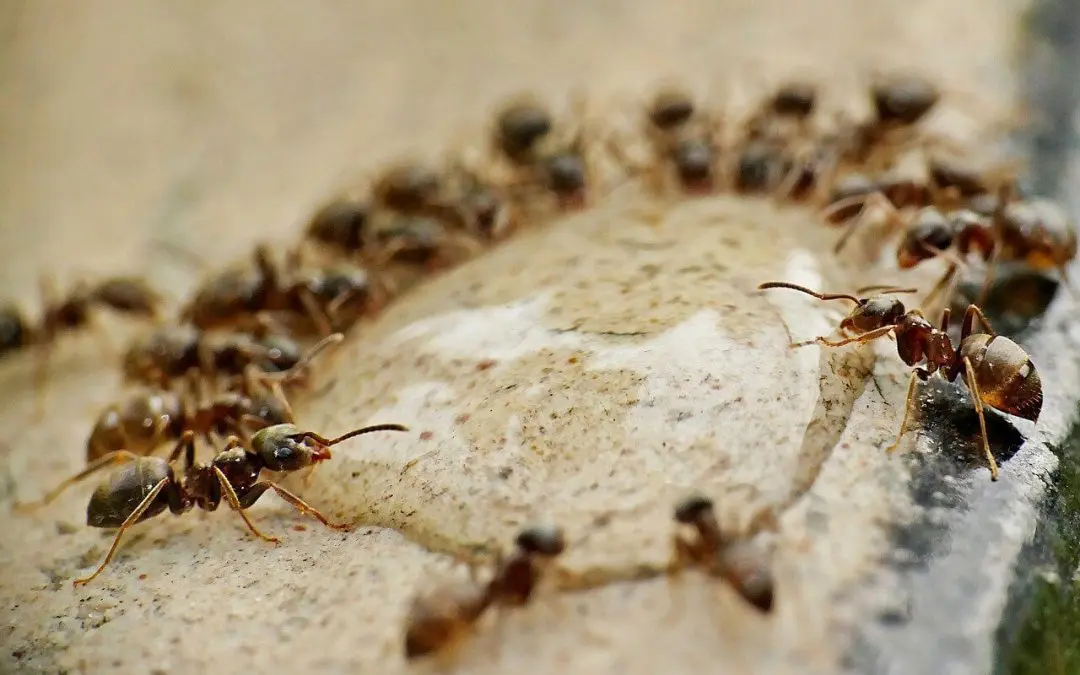
Few household nuisances are as persistent or as maddening as an ant infestation. One day, there are a few scouts on the kitchen counter; a week later, there’s a trail running from the baseboards to the pet food bowl and up the back of the pantry. Knowing how to get rid of ants requires understanding how ant colonies work and why the visible ants are only part of the story. The right approach makes all the difference between a quick fix and a lasting solution.
Why Getting Rid of Ants Is Harder Than It Looks
The ants you see are foragers, workers sent out by the colony to locate food and water and report back. When you spray them and call it done, you’ve eliminated a small fraction of the colony while leaving the queen, the brood, and thousands of other workers untouched. Within days, the colony sends new foragers, and the cycle starts over. Effective ant control targets the colony, not just the individuals. Bait-based treatments exploit the colony’s own behavior, foragers carry poisoned bait back to the nest, share it with other workers, and ultimately reach the queen. When the queen is eliminated, the colony collapses.
Identify What You’re Dealing With Before You Try to Get Rid of Ants
Not all ants are the same, and the control method that works for one species may be ineffective for another. The most common home-invading ants include odorous house ants, pavement ants, carpenter ants, Argentine ants, and fire ants, each with distinct behaviors, nesting preferences, and food preferences. Odorous house ants, the tiny dark ants most commonly found trailing through kitchens, respond well to sweet-based bait. Carpenter ants are larger, often black, and excavate wood to nest, making them a structural concern that warrants more aggressive treatment. Identifying which ant you’re dealing with before reaching for a product significantly increases your effectiveness in getting rid of ants for good.
The Most Effective Methods to Get Rid of Ants for Good
Bait is the most effective long-term solution for most ant infestations. Gel bait or bait stations placed along active trails and near entry points allow foragers to carry slow-acting insecticide back to the nest. The key is patience; bait takes days to weeks to eliminate a colony, and it only works if you resist spraying the ants you’re seeing in the meantime. Spraying foragers before they return with bait defeats the entire strategy. Place bait where you see active ant activity. Different ant species prefer protein-based or sugar-based bait, so if one isn’t producing results within a week, switch to the other type.
For outdoor control, granular bait spread around the perimeter and directly on or near ant mounds reaches colonies nesting outside and sends foragers in. Liquid insecticide treatments around the foundation create a barrier that deters new entry but should be combined with bait for colonies already established inside.
The Importance of Prevention
The most sustainable approach is making your home an unattractive destination in the first place. Ants enter homes in search of food, water, and shelter. Store food in sealed containers, clean up spills and crumbs immediately, and don’t leave pet food out overnight. Fix plumbing drips or moisture issues that provide water sources in kitchens, bathrooms, or utility areas. Seal cracks around windows, doors, utility penetrations, and the foundation with caulk to eliminate entry points. Trim trees and shrubs away from the house so branches don’t create a direct route to your roofline. Keep firewood stored away from the foundation and elevated off the ground. Address standing water and mulch piled against the house, both of which create ideal nesting conditions that bring colonies uncomfortably close to your home.
Frequently Asked Questions (FAQs)
Why do I suddenly have ants when I’ve never had them before?
Ants are opportunists that respond to environmental triggers. A change in outdoor conditions often drives colonies indoors. A new food source left accessible, a plumbing leak creating moisture, or a new crack in the foundation can suddenly make your home attractive to a colony that was previously content outside.
Is it safe to use ant bait around children and pets?
Most residential ant baits use very low concentrations of active ingredients and are designed to be attractive to ants but not to larger animals. Bait stations should still be placed where children and pets cannot easily access them. If a child or pet ingests bait, contact Poison Control at 1-800-222-1222 for guidance. Always read the product label for specific safety and placement instructions.
How long does it take to get rid of ants with bait?
Bait typically begins showing results within a few days and can take two to four weeks to fully eliminate an established colony. Patience is essential.
Do natural remedies actually work to get rid of ants?
Some natural approaches can deter ants temporarily. Diatomaceous earth, peppermint oil, cinnamon, and vinegar are all cited as repellents. These can be useful at specific entry points but rarely eliminate a colony on their own. They’re best used as supplemental deterrents alongside a primary bait-based treatment rather than as a standalone solution for an active infestation.
When should I call a pest control professional?
Call a professional when an infestation persists despite consistent bait treatment, when you’re dealing with carpenter ants in structural wood, when you have fire ants with multiple large mounds, or when you can’t locate the entry points or nest.
Border Home and Property Inspections provides home inspection services to the midwest region of Alberta and Saskatchewan. Contact us to schedule an inspection.