
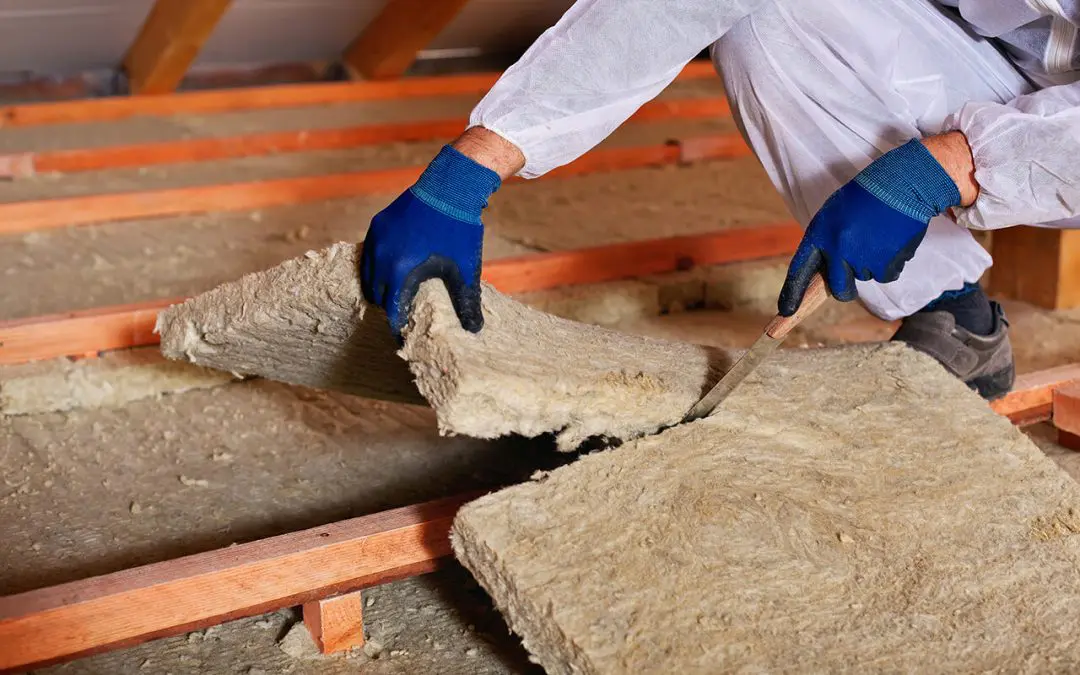
When we think about home improvements, we often focus on the things we can see, like a fresh coat of paint or a newly remodeled kitchen. However, some of the most vital components of a healthy, efficient home are hidden behind the walls and in the attic. Understanding the importance of home insulation is essential for any homeowner who wants to protect their investment while maximizing daily comfort.
The Science of Thermal Resistance and Home Insulation
In the winter, the expensive heat generated by your furnace tries to escape to the cold outdoors. In the summer, the sweltering outdoor heat tries to force its way into your air-conditioned living room. Quality home insulation provides thermal resistance. Without an adequate barrier, your HVAC system is forced into a never-ending cycle of catching up. This doesn’t just result in higher utility bills; it leads to significant wear and tear on your mechanical systems. When your home is properly insulated, your furnace and air conditioner will reach the desired temperature quickly and then rest, extending the lifespan of your equipment and saving you money.
Boosting Energy Efficiency
Energy efficiency is a fundamental part of modern homeownership. Upgrading your home insulation is often cited by experts as the home improvement project with the highest return on investment. By sealing the gaps in your attic, walls, and crawl spaces, you create a seamless shield that keeps your conditioned air exactly where it belongs. This efficiency goes beyond the monthly savings on your gas or electric bill. A well-insulated home is also more environmentally friendly. By reducing the energy needed to maintain a comfortable temperature, you lower your household’s carbon footprint. For many homeowners, the combination of financial savings and environmental responsibility makes updating their insulation a top priority. It is a rare “win-win” scenario where doing the right thing for the planet also happens to be the best thing for your bank account.
The Acoustic Benefits of Home Insulation
While thermal control is the primary job of these materials, they also offer a secondary benefit that many homeowners overlook: sound dampening. A house with poor insulation often feels “thin” or loud. You might hear every car that drives by, the neighbor’s lawnmower, or even conversations in the next room. High-density home insulation acts as a powerful acoustic buffer, absorbing sound waves before they can vibrate through your drywall. This benefit is particularly valuable in multi-story homes or houses located in busy suburban neighborhoods. By adding insulation to interior walls, you create a much more peaceful and private environment.
Moisture Control and Structural Health
One of the most critical roles of a properly installed thermal barrier is its ability to manage moisture. When warm, moist air from inside your home hits a cold surface in the attic or crawl space, it condenses into water droplets. This hidden moisture is the primary cause of mold growth, wood rot, and structural decay. Modern home insulation systems often work in tandem with vapor barriers to prevent condensation from forming in your walls. Furthermore, in colder climates, proper attic insulation prevents the formation of ice dams. Ice dams occur when heat escapes through the roof, melting the snow above, which then refreezes at the gutters. This causes water to back up under your shingles and leak into your ceilings. By keeping the roof deck cool, you protect your shingles and your interior finishes from water damage.
Frequently Asked Questions (FAQs)
How do I know if my current home insulation needs to be replaced?
Common signs of inadequate insulation include wildly fluctuating temperatures between rooms, high energy bills, and walls that feel cold to the touch in winter.
Which type of insulation is best for an existing home?
For existing homes, “blown-in” cellulose or fiberglass is often the best choice for attics because it can be installed easily over existing layers. For walls, spray foam or injected foam can be used to fill cavities without tearing down drywall.
Should I hire a professional to install insulation?
While laying down fiberglass batts in an open attic is a typical DIY project, professional installation is recommended for spray foam or blown-in materials.
Does insulation help in the summer as much as it does in the winter?
Absolutely. While we often associate insulation with staying warm, it is equally important for keeping heat out during the summer.
How long does home insulation typically last?
Most insulation materials, such as fiberglass and cellulose, may last for 80 to 100 years if they remain dry and undisturbed. However, if the material becomes compressed, wet, or infested with pests, it should be replaced to restore its thermal effectiveness.
Border Home and Property Inspections provides home inspection services to the midwest region of Alberta and Saskatchewan. Contact us to schedule an inspection.