
A well-designed home is not complete without thoughtful interior lighting, and yet it’s one of the most overlooked elements of home improvement. The right lighting can make spaces feel larger, warmer, and more inviting, while poor lighting could leave even the most beautifully designed rooms feeling flat and uncomfortable. By making a few strategic improvements to your lighting, you can enhance the look, feel, and usability of every room in the house, without breaking the budget.
Understanding the Basics of Interior Lighting
Before making any changes, it helps to understand how lighting works within a space. Interior lighting typically falls into three main categories: ambient, task, and accent. Ambient lighting provides the overall general illumination of a room, such as ceiling fixtures, recessed lights, and chandeliers. Task lighting focuses light on specific activities such as reading, cooking, or applying makeup and includes desk lamps, under-cabinet lights, and vanity fixtures. Accent lighting is the finishing touch, used to highlight artwork, architectural details, or decorative features like built-in shelving or a fireplace. Balancing all three layers is the key to a well-lit space that feels both practical and visually appealing.
Choose the Right Bulbs for the Right Mood
Light bulbs have a far greater impact on the mood and functionality of a space than most people realize. The color temperature of a bulb determines whether a room feels cozy and warm or crisp and energizing. Warm white bulbs in the 2700K to 3000K range create a relaxed, inviting atmosphere that works beautifully in living rooms, bedrooms, and dining areas. Cooler tones in the 3500K to 5000K range are better suited for kitchens, home offices, and bathrooms where clarity and focus matter more.
Energy efficiency is another important consideration when upgrading interior lighting. LED bulbs are the clear frontrunner, they use significantly less energy than traditional incandescent bulbs, last many times longer, and are available in virtually every color temperature and brightness level. Switching to LEDs throughout the home is one of the simplest, most cost-effective upgrades a homeowner can make, and the energy savings add up quickly over time.
Layer Your Interior Lighting for Maximum Impact
Layering is one of the most effective and transformative things you can do to improve interior lighting in any room. The goal is to combine multiple light sources at different heights and intensities to create a space that feels balanced and dynamic rather than flat and one-dimensional. A living room, for example, might combine recessed ceiling lights for ambient illumination, a floor lamp beside the sofa for reading, table lamps on side tables for warmth, and a small accent light to draw attention to a piece of artwork or a plant.
This layered approach also gives you far more control over the mood of a space at different times of day. The same room can feel bright and functional during the day and soft and relaxing in the evening simply by switching which lights are on and at what level. Adding dimmer switches to key fixtures is an inexpensive upgrade that dramatically increases the versatility of your interior lighting setup.
Make the Most of Natural Light
Natural light is one of the most valuable and underutilized resources in any home. Maximizing sunlight not only reduces your reliance on artificial lighting but also improves mood, supports better sleep, and makes spaces feel more open and alive. Keeping windows clean, using sheer or light-colored curtains that allow light to filter through, and strategically placing mirrors on walls opposite windows will help reflect and amplify natural light throughout a room. Even small adjustments like rearranging furniture to avoid blocking windows or choosing lighter paint colors for walls and ceilings could make a noticeable difference in how much natural light a room receives.
Upgrade Fixtures for a Fresh, Modern Look
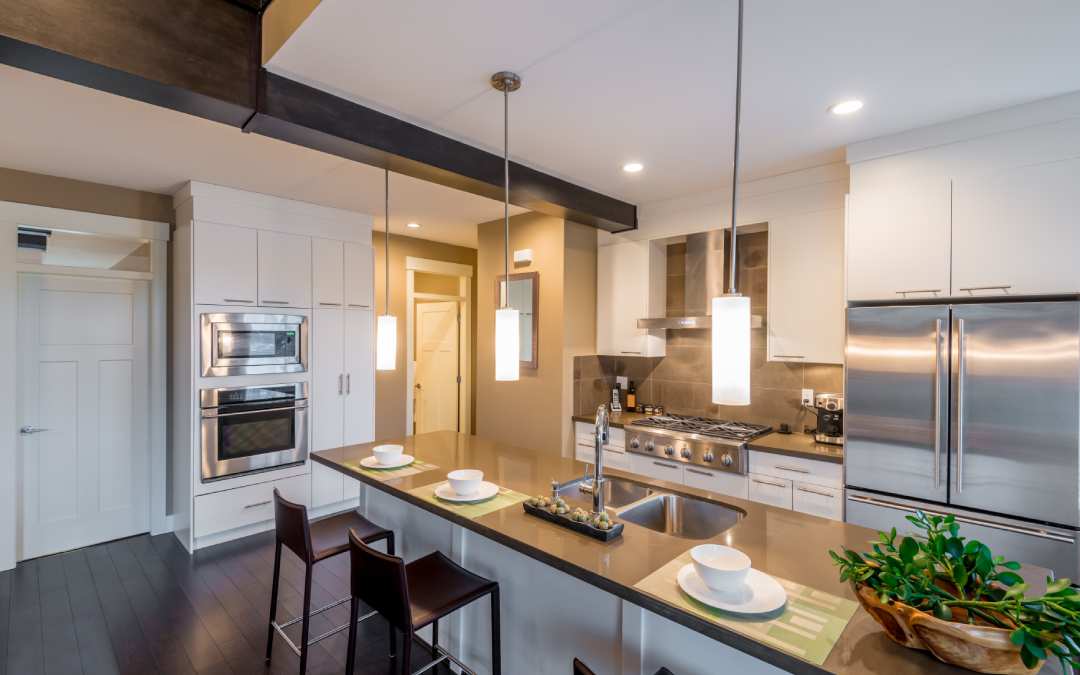
Outdated fixtures may limit both the effectiveness and visual appeal of your interior lighting. Replacing old, builder-grade fixtures with modern designs is one of the quickest ways to refresh a room and improve light distribution. Pendant lights work beautifully over kitchen islands and dining tables, adding both focused illumination and a strong design statement. Recessed lighting creates a clean, uncluttered look in living areas and hallways. Statement chandeliers or oversized pendants can serve as focal points in entryways and dining rooms, setting the tone for the entire home. When selecting new fixtures, look for designs that complement the overall style of the room rather than competing with it. A well-chosen fixture contributes to the personality and character of the room as a whole.
Tailor Interior Lighting to Each Room’s Purpose
One of the most important interior lighting principles is recognizing that different rooms have different lighting needs. Kitchens benefit from bright, even task lighting over prep areas and the sink, combined with warmer ambient lighting for the eating area. Bedrooms call for soft, relaxing illumination in the evening with the option for brighter reading light near the bed. Bathrooms need a thoughtful combination of both bright, shadow-free lighting around the vanity for grooming, and softer ambient light for a more comfortable, spa-like atmosphere.
Home offices need bright, cool-toned lighting to support focus and reduce eye strain, while dining rooms often benefit from a statement fixture on a dimmer that can shift the mood from casual family dinners to more intimate entertaining. Paying close attention to what each space is actually used for ensures that every room in your home functions at its best.
Frequently Asked Questions (FAQs)
What is the best approach to interior lighting for a home?
The most effective approach is to layer lighting in each room.
How can interior lighting make a room look bigger?
Brighter overall illumination, mirrors placed to reflect light, light-colored walls and ceilings, and recessed fixtures that don’t interrupt sightlines all help a room feel more open and spacious.
How do you choose the right brightness for each room?
Brightness should be matched to the room’s primary purpose. Work-focused spaces like kitchens and home offices benefit from higher brightness levels, while living rooms, dining rooms, and bedrooms typically feel better with softer, more adjustable lighting.
Can interior lighting really affect your mood?
Absolutely. Lighting has a well-documented impact on mood, energy levels, and even sleep quality. Warm, soft lighting promotes relaxation and a sense of comfort, while cooler, brighter lighting supports alertness and focus.
Border Home and Property Inspections provides home inspection services to the midwest region of Alberta and Saskatchewan. Contact us to schedule an inspection.