
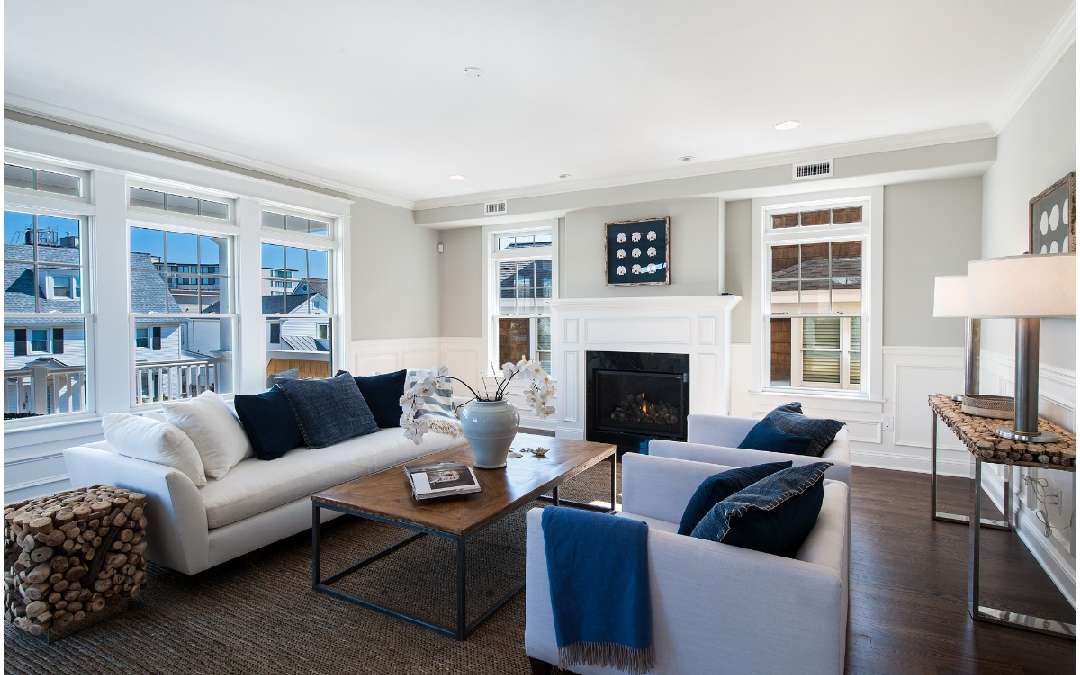
Saving energy at home is one of the smartest and most practical things a homeowner can do. It reduces monthly utility bills, extends the life of appliances and home systems, and contributes to a more sustainable lifestyle, all without sacrificing comfort or convenience. Whether you’re making small habit changes or planning larger upgrades, there are meaningful ways to save energy at every budget level.
Why Homeowners Should Make the Effort to Save Energy
The financial case for energy efficiency is straightforward: homes that consume excessive energy consistently pay more than they need to. But the benefits go beyond the monthly bill. Reducing energy consumption puts less strain on appliances and HVAC systems, extending their lifespan and reducing the frequency of costly repairs or replacements. It also reduces demand on the power grid and decreases emissions, making energy efficiency a win for both household budgets and the broader environment.
Simple Daily Habits That Save Energy
Some of the most effective ways to save energy don’t cost anything at all, they just require consistent habits. Turning off lights when leaving a room, unplugging devices and chargers that aren’t in use, and taking advantage of natural daylight instead of switching on overhead lights are all small actions that compound meaningfully over time. Thermostat management is another impactful habit. Adjusting the temperature by just a few degrees, slightly lower in winter and slightly higher in summer, can reduce heating and cooling costs noticeably over the course of a year without any real impact on comfort. A programmable or smart thermostat makes this even easier by adjusting temperatures automatically based on your schedule.
Upgrade Appliances and Lighting to Save Energy Long-Term
Older appliances are often significant energy drains, they were built to different efficiency standards and consume far more electricity than their modern counterparts. Replacing outdated refrigerators, washing machines, dishwashers, and HVAC systems with Energy Star-rated models reduces consumption considerably and typically pays for itself over time through lower utility bills. Lighting is another area where a straightforward upgrade delivers immediate results. Switching to LED bulbs throughout the home is one of the simplest ways to save energy, LEDs use significantly less electricity than traditional incandescent bulbs and last many times longer. Adding dimmers, timers, and motion sensors to key areas ensures lights are only on when they’re actually needed, reducing waste without any additional effort.
Improve Insulation and Seal Air Leaks
One of the highest-return investments is improving insulation and sealing the home’s envelope. Poor insulation allows heat to escape in winter and infiltrate in summer, forcing heating and cooling systems to work harder and run longer than necessary. Adding or upgrading insulation in the attic, walls, and basement creates a more consistent indoor temperature year-round and reduces the load on HVAC systems considerably. Air sealing is equally important and often underestimated. Gaps and cracks around windows, doors, electrical outlets, and ductwork allow conditioned air to escape and outside air to enter, quietly driving up energy costs. Weather stripping, caulk, and foam sealant are all inexpensive materials that make a measurable difference when applied consistently throughout the home.
Use Smart Technology to Save Energy More Efficiently
Smart home technology has made it easier than ever to monitor and optimize energy use with minimal ongoing effort. Smart thermostats learn your schedule and adjust temperatures accordingly, ensuring you’re not heating or cooling an empty home. Energy monitors provide real-time visibility into where electricity is being used, making it easy to identify waste and adjust habits accordingly. Automated lighting systems, smart power strips, and programmable timers round out a smart home energy strategy that works in the background without requiring constant attention. For homeowners who want maximum control with minimum effort, smart technology is one of the most effective tools available.
Plan for Long-Term Energy Upgrades
Beyond daily habits and appliance upgrades, longer-term home improvements can have a lasting impact on energy efficiency and property value. Energy-efficient windows reduce heat transfer significantly. Upgraded roofing materials with better insulation ratings improve whole-home performance. Solar panels, while a larger upfront investment, dramatically reduce or even eliminate electricity costs over time, with many installations qualifying for federal and state tax incentives that offset the initial cost. Planning these larger upgrades over time rather than all at once makes the process manageable and allows each improvement to build on the last. A home that saves energy efficiently is more comfortable, more valuable, and more resilient against rising utility costs year after year.
Frequently Asked Questions (FAQs)
What are the easiest ways to save energy at home?
The easiest starting points are habit-based, turning off unused lights, unplugging idle devices, and adjusting thermostat settings by a few degrees. These require no investment and deliver immediate savings over time.
Do energy-efficient appliances really save energy?
Yes, significantly. Modern Energy Star-rated appliances consume substantially less electricity than older models while often delivering better performance.
How does insulation help save energy?
Proper insulation reduces the amount of heat that escapes in winter or enters in summer, allowing heating and cooling systems to maintain comfortable temperatures with far less energy. It’s one of the highest-return upgrades available to homeowners.
Is smart home technology worth investing in?
For most homeowners, yes. Smart thermostats alone can reduce heating and cooling costs meaningfully, and the investment typically pays for itself within the first year or two.
Border Home and Property Inspections provides home inspection services to the midwest region of Alberta and Saskatchewan. Contact us to schedule an inspection.